




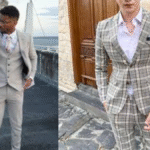

A Boutonniere is more than just a floral pin—it’s a small symbol of elegance, tradition, and celebration. Worn proudly on the lapel, this miniature arrangement carries centuries of history and significance. Whether seen at weddings, proms, or formal galas, a boutonniere completes a gentleman’s attire with grace. Its delicate charm adds personality, color, and a subtle fragrance that reflects the wearer’s unique style.
In today’s world, the boutonniere has evolved from being a mere floral token to a statement of individuality. From classic roses to modern succulents, it expresses creativity and sophistication. Men and women alike now appreciate its versatility—not just as a fashion detail but as a symbol of affection, respect, and occasion. The boutonniere stands as proof that sometimes, it’s the smallest details that make the biggest impression.
The History and Meaning Behind the Boutonniere
The term boutonniere originates from the French word meaning “buttonhole.” In the 16th century, knights and gentlemen wore flowers on their coats to symbolize courage and loyalty. Later, in Victorian England, boutonnieres became an essential part of courtship rituals and elite fashion. Over time, they evolved into elegant accessories worn during weddings, dances, and ceremonies.
Beyond fashion, the boutonniere has always carried deeper meaning. Each flower used conveys emotion—red roses symbolize love and passion, white lilies purity, and lavender sprigs devotion. In modern times, while their symbolism remains, the emphasis also lies on matching themes, colors, and moods of the event. Thus, the boutonniere has gracefully bridged the past and the present, maintaining its role as a timeless gesture of refinement.
Types of Boutonnieres: From Classic to Contemporary
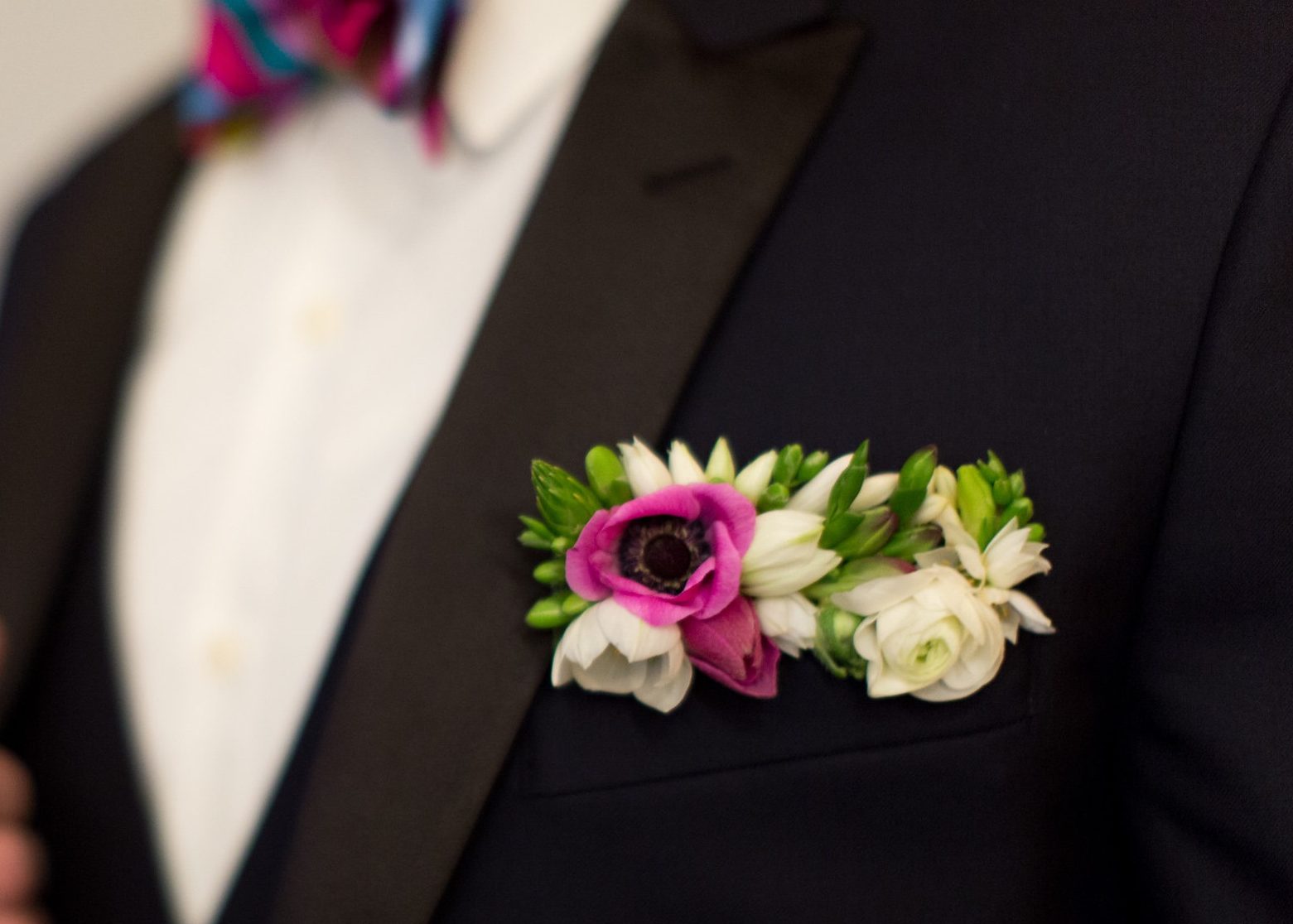
Boutonnieres now come in countless variations, each suited to a different personality or event style.
Traditional floral boutonnieres feature roses, carnations, or orchids—perfect for classic weddings or black-tie occasions. Their soft tones and balanced shapes complement formalwear beautifully.
Modern designs, on the other hand, often include greenery, herbs, or even berries for a natural, minimalist look. Succulent boutonnieres are particularly trendy because of their durability and distinctive charm.
For themed events, rustic or vintage boutonnieres use wildflowers, burlap, and twine to match outdoor or countryside ceremonies. Meanwhile, luxury designs incorporate exotic blooms or metallic touches for high-end affairs. Whatever the style, the boutonniere remains a creative expression of both tradition and personality.
Best Flowers for Boutonnieres by Season
| Season | Recommended Flowers | Style Inspiration |
| Spring | Tulips, Daisies, Lilacs | Fresh, pastel, romantic tones perfect for weddings |
| Summer | Roses, Orchids, Sunflowers | Bright and bold for outdoor celebrations |
| Autumn | Marigolds, Dahlias, Chrysanthemums | Warm and rustic hues for harvest-themed events |
| Winter | White Roses, Pine, Holly | Elegant, festive, and perfectly suited for cold-weather formals |
This table helps grooms, prom-goers, and event planners choose the right bloom according to season, ensuring freshness, harmony, and long-lasting beauty.
How to Choose the Perfect Boutonniere
Selecting the perfect boutonniere requires a balance of style, symbolism, and coordination. Start by considering the event type—weddings often call for delicate floral tones, while proms allow bolder colors and creativity. The boutonniere should harmonize with the bride’s bouquet, the bridesmaids’ flowers, or the overall theme of the event.
Color and size also matter. Smaller boutonnieres look refined and balanced on slim lapels, whereas larger blooms suit broader jackets. Avoid overly fragrant flowers that might cause discomfort. Groomsmen can wear slightly simpler designs, ensuring the groom’s boutonniere stands out subtly. Working with an experienced florist can help craft a cohesive look that ties every detail together.
How and Where to Wear a Boutonniere
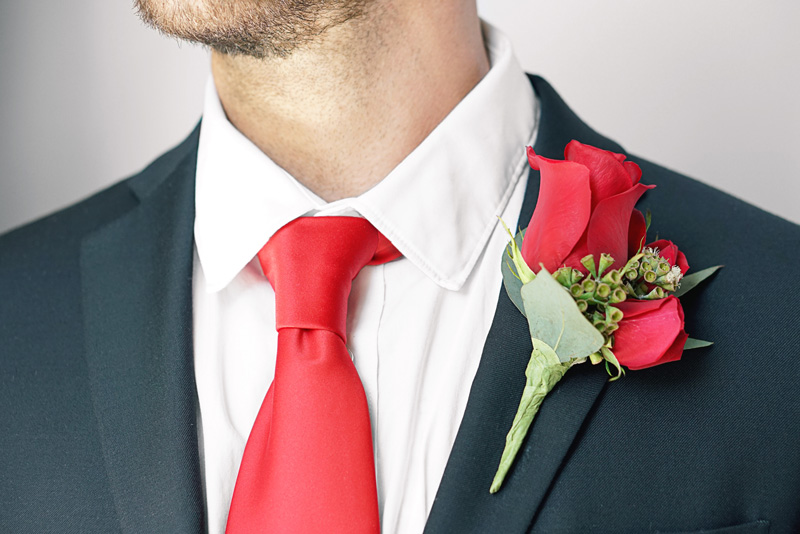
Traditionally, the boutonniere is worn on the left lapel of a suit or tuxedo, just above the heart—a placement that holds symbolic meaning. It is pinned through the lapel’s buttonhole, ensuring that it sits upright and doesn’t droop during the event. A sturdy pin or magnetic clasp can secure it neatly.
When styling, remember that less is more. A boutonniere should complement, not overpower, your outfit. Avoid competing accessories like large pocket squares or patterned ties that draw attention away from it. Coordination in tone and texture creates a balanced, sophisticated appearance, elevating even the simplest outfit into something memorable.
Boutonniere Care and Preservation Tips
Keeping your boutonniere fresh requires gentle care and good timing. Store it in a cool environment until just before wearing—refrigeration helps maintain moisture and prevent wilting. If made from delicate flowers, lightly mist them with water to preserve freshness.
After the event, many choose to preserve their boutonniere as a keepsake. Air-drying or pressing between pages can help retain its form and color. For long-term preservation, consider professional floral drying or resin casting. These methods capture the memory of your special day, turning a fleeting bloom into a timeless memento.
Modern Boutonniere Trends for 2025 and Beyond
Today’s boutonniere trends lean toward personalization and sustainability. Eco-friendly materials, dried flowers, and hand-crafted designs are rising in popularity. Non-floral boutonnieres—made of feathers, fabric, or metal—offer creative alternatives for those seeking a distinctive touch.
Social media has also influenced modern trends, with many grooms and stylists sharing unique boutonniere concepts that blend fashion and artistry. From minimalist stems wrapped in silk ribbons to themed creations reflecting hobbies or heritage, the boutonniere has become more than an accessory—it’s a statement of identity.
Conclusion
Though small in size, the boutonniere carries immense meaning. It symbolizes love, respect, and celebration, adding the finishing touch that completes a gentleman’s attire. Whether traditional or modern, floral or creative, each boutonniere tells a story—one of elegance, personality, and pride.
In a world where fashion trends constantly change, the boutonniere endures as a timeless emblem of style and grace. When chosen thoughtfully, it becomes not just a decoration, but a memory that blooms forever.
Frequently Asked Questions
What side should a boutonniere be worn on?
Always wear it on the left lapel, close to the heart.
How long before the event should I make or buy a boutonniere?
Ideally 24–48 hours before, to ensure maximum freshness.
Can you wear a boutonniere without a jacket?
Yes, it can be pinned to a shirt or vest, but it looks best on a lapel.
Which flowers last the longest?
Orchids, succulents, and roses tend to stay fresh the longest.
How do I preserve my boutonniere after the event?
Air-dry it, press it, or have it professionally preserved in resin.