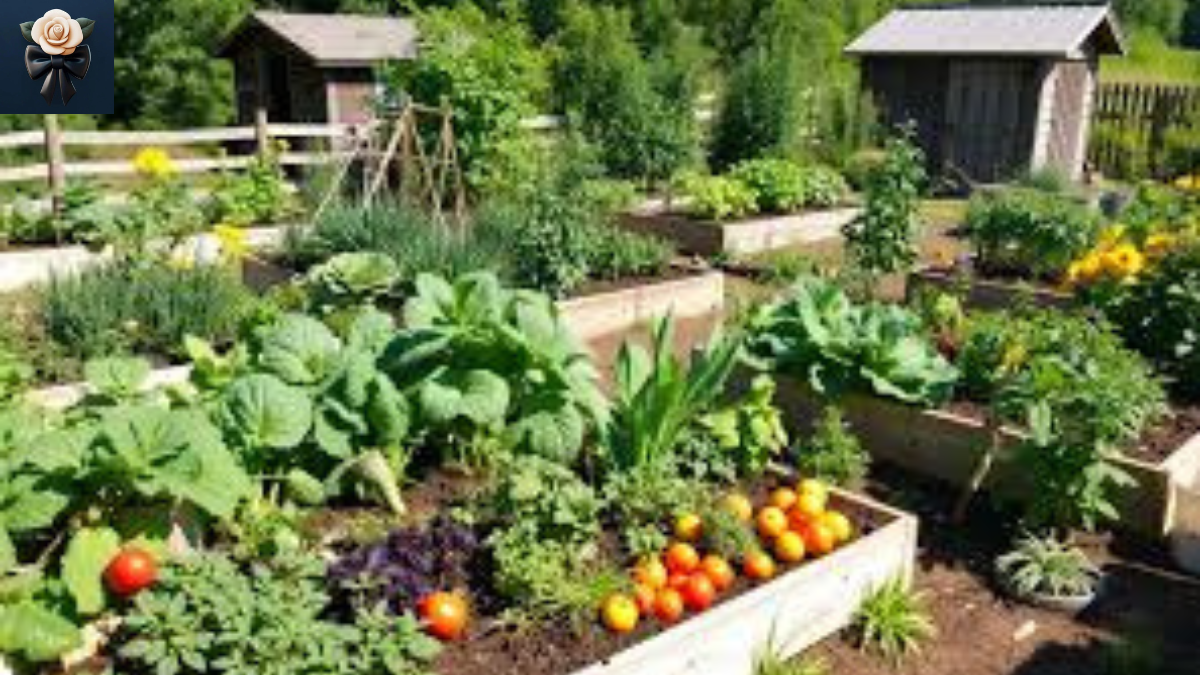
permaculture garden is more than just a patch of plants—it is a living ecosystem designed to work with nature rather than against it. Unlike traditional gardening, permaculture emphasizes sustainability, biodiversity, and resource efficiency. By integrating natural patterns, water management, soil enrichment, and plant interactions, gardeners can create thriving spaces that require less maintenance over time while delivering abundant yields.
The popularity of is growing globally as more people seek eco-friendly alternatives to conventional horticulture. This approach not only promotes environmental responsibility but also offers a pathway to self-sufficiency, food security, and healthier lifestyles. Whether you have a sprawling backyard or a small urban plot, permaculture principles can be adapted to your space, helping you produce fresh, organic food sustainably.
This guide will provide a comprehensive overview of design, plant selection, techniques, maintenance, and benefits. By following these principles, you can transform your garden into a regenerative ecosystem, save on resources, and enjoy the satisfaction of a flourishing garden that nurtures both people and the planet.
What is a Permaculture Garden?
A permaculture garden is essentially a self-sustaining ecosystem designed to mimic the natural environment. The term “permaculture” was coined by Bill Mollison and David Holmgren in the 1970s, combining “permanent” and “agriculture” to describe sustainable farming and gardening practices. Unlike conventional gardens that rely heavily on chemical inputs and mechanical interventions, work with natural processes to maintain balance and productivity.
The foundation of permaculture rests on three core ethics: care for the earth, care for people, and fair share. This approach encourages gardeners to think holistically, considering not just plant growth but the surrounding ecosystem, wildlife, soil health, and water conservation. Permaculture gardens are designed to require minimal human intervention while supporting diverse life forms, improving soil fertility, and maximising yields through intelligent design.
Unlike traditional gardens, which often focus solely on aesthetics or crop output, integrate multiple layers and functions. Trees provide shade and fruit, shrubs act as windbreaks, ground cover improves soil health, and water features support irrigation and biodiversity. By understanding and applying these principles, gardeners create a resilient, self-regenerating environment that benefits both humans and nature.
Core Principles of Permaculture Garden Design
Designing a permaculture garden begins with careful observation of natural patterns. By understanding sunlight direction, rainfall, wind, and soil types, gardeners can place plants and features in ways that maximise efficiency and productivity. Permaculture design often uses zoning, where areas are organised based on how frequently they are visited or maintained, ensuring energy-efficient layouts.
Another critical aspect is layering. In a well-planned garden, plants are arranged vertically and horizontally to mimic natural ecosystems. Canopy trees, shrubs, ground covers, and root crops are strategically planted to optimise space, light, and nutrients. This layered approach promotes biodiversity, reduces pest problems, and improves soil health naturally.
Water management is central to permaculture design. Techniques such as rainwater harvesting, swales, ponds, and greywater recycling ensure that plants receive adequate moisture without wasting resources. Proper water management also prevents soil erosion and helps maintain a balanced ecosystem.
Finally, soil regeneration is a cornerstone of permaculture. Techniques like composting, mulching, and green manures enrich the soil, improve microbial activity, and reduce dependence on chemical fertilizers. Healthy soil supports stronger plant growth, higher yields, and a more resilient garden over time, ensuring sustainability and ecological balance.
Choosing Plants for Your Permaculture Garden
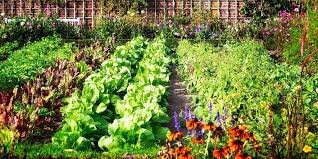
Selecting the right plants is vital for a thriving permaculture garden. Native plants are highly recommended because they are adapted to local climates, require less maintenance, and support local biodiversity. Perennials, such as fruit trees and shrubs, provide long-term yields without the need for yearly replanting.
Companion planting is another essential principle. Certain plants grow better when paired with complementary species, enhancing soil fertility, deterring pests, and improving overall garden health. For example, legumes fix nitrogen in the soil, benefiting surrounding crops, while flowering plants attract pollinators essential for fruiting vegetables.
Permaculture gardens also embrace polyculture, where multiple plant species coexist in the same area. This diversity reduces the risk of crop failure, encourages natural pest control, and promotes a balanced ecosystem. Ground covers, vines, herbs, and trees are combined strategically to create a layered system that mimics a forest.
Additionally, attracting beneficial wildlife, such as bees, ladybugs, and birds, supports plant health naturally. These animals provide pollination and pest control, reducing the need for chemical interventions. By carefully selecting and arranging plants, permaculture gardeners create a dynamic, self-sustaining environment that flourishes year after year.
Permaculture Garden Techniques and Practices
Successful permaculture gardening relies on specific techniques that enhance soil fertility, conserve resources, and reduce labour. Sheet mulching, for example, involves layering organic materials over soil to suppress weeds, retain moisture, and improve microbial activity. No-dig gardening is another method that protects soil structure while enriching it with organic matter.
Crop rotation and succession planting maintain soil fertility and maximise yields throughout the year. By rotating crops and staggering planting schedules, gardeners prevent nutrient depletion, reduce pest infestations, and extend harvest periods.
Natural pest control methods are central to permaculture practices. Introducing beneficial insects, companion planting, and organic sprays protect plants without harming the ecosystem. Similarly, organic fertilisers like compost tea, vermicompost, and green manure support healthy growth without synthetic chemicals.
Creating microclimates within the garden is another effective practice. By using shade trees, windbreaks, and water features, gardeners can extend growing seasons and create ideal conditions for sensitive plants. These techniques collectively reduce human labour, conserve resources, and promote long-term sustainability.
Planning and Maintaining Your Permaculture Garden
Proper planning is essential for a successful permaculture garden. Start by mapping your space, identifying sunlight patterns, water flow, and soil conditions. Divide your garden into zones based on plant needs and maintenance frequency. Include layers, water systems, and compost areas in your design to maximise efficiency.
Maintenance in a permaculture garden is about observation and adaptation rather than constant intervention. Regularly monitor plant health, water usage, and soil fertility. Prune, mulch, and harvest according to seasonal needs. Over time, the garden becomes self-regulating, requiring less effort while producing more yield.
For beginners, start small and focus on key principles such as composting, companion planting, and water conservation. Advanced gardeners can experiment with complex polycultures, permaculture guilds, and integrating animals for nutrient cycling. A well-maintained garden evolves naturally, providing beauty, food, and ecosystem services year after year.
Benefits of a Permaculture Garden
Permaculture gardens offer numerous environmental, economic, and lifestyle benefits. Environmentally, they improve soil health, conserve water, and support biodiversity. Trees and shrubs sequester carbon, while native plants provide habitats for wildlife, enhancing local ecosystems.
Economically, permaculture gardens reduce the need for store-bought produce, chemical fertilizers, and pesticides. Homegrown food lowers costs, increases self-sufficiency, and offers resilience against food shortages. By investing in long-term garden health, gardeners reap sustainable rewards for years.
From a lifestyle perspective, permaculture gardening fosters well-being, stress relief, and a deeper connection with nature. Growing your own food promotes healthy eating and encourages outdoor activity. The sense of achievement from a thriving, self-sustaining garden is unmatched, making permaculture both practical and fulfilling.
Conclusion
Creating a permaculture garden is a journey of patience, observation, and creativity. By integrating natural patterns, thoughtful plant selection, and sustainable techniques, anyone can build a garden that nurtures both people and the environment. Whether starting small or designing a large ecosystem, permaculture principles ensure long-term resilience, productivity, and beauty.
Embrace the philosophy of working with nature, and over time, your garden will evolve into a thriving, self-sustaining sanctuary. The rewards extend beyond fresh produce—offering environmental stewardship, economic benefits, and a healthier, more connected lifestyle.
Frequently Asked Questions
What is the difference between permaculture and organic gardening?
Permaculture focuses on creating self-sustaining ecosystems, while organic gardening primarily avoids synthetic chemicals.
Can a small backyard be turned into a permaculture garden?
Yes, permaculture principles can be adapted for any space using vertical planting, layering, and microclimates.
How much maintenance does a permaculture garden require?
Maintenance is generally low, focusing on observation, mulching, pruning, and seasonal harvesting.
Which plants are best suited for beginners in permaculture gardening?
Native plants, perennials, and easy-to-grow vegetables like tomatoes, beans, and herbs are ideal.
How do I start composting in my permaculture garden?
Begin with kitchen scraps, yard waste, and organic matter in a compost bin or pile, turning regularly.
Is permaculture gardening suitable for urban areas?
Absolutely—balconies, rooftops, and small backyards can be transformed using container planting and vertical gardening techniques.
How long does it take to see results in a permaculture garden?
Some results are visible within a few months, but full ecosystem benefits may take several years to mature.
Can permaculture gardening help reduce water usage?
Yes, through techniques like rainwater harvesting, mulching, and swales that conserve and optimise water use.
Also Read: dopebox
